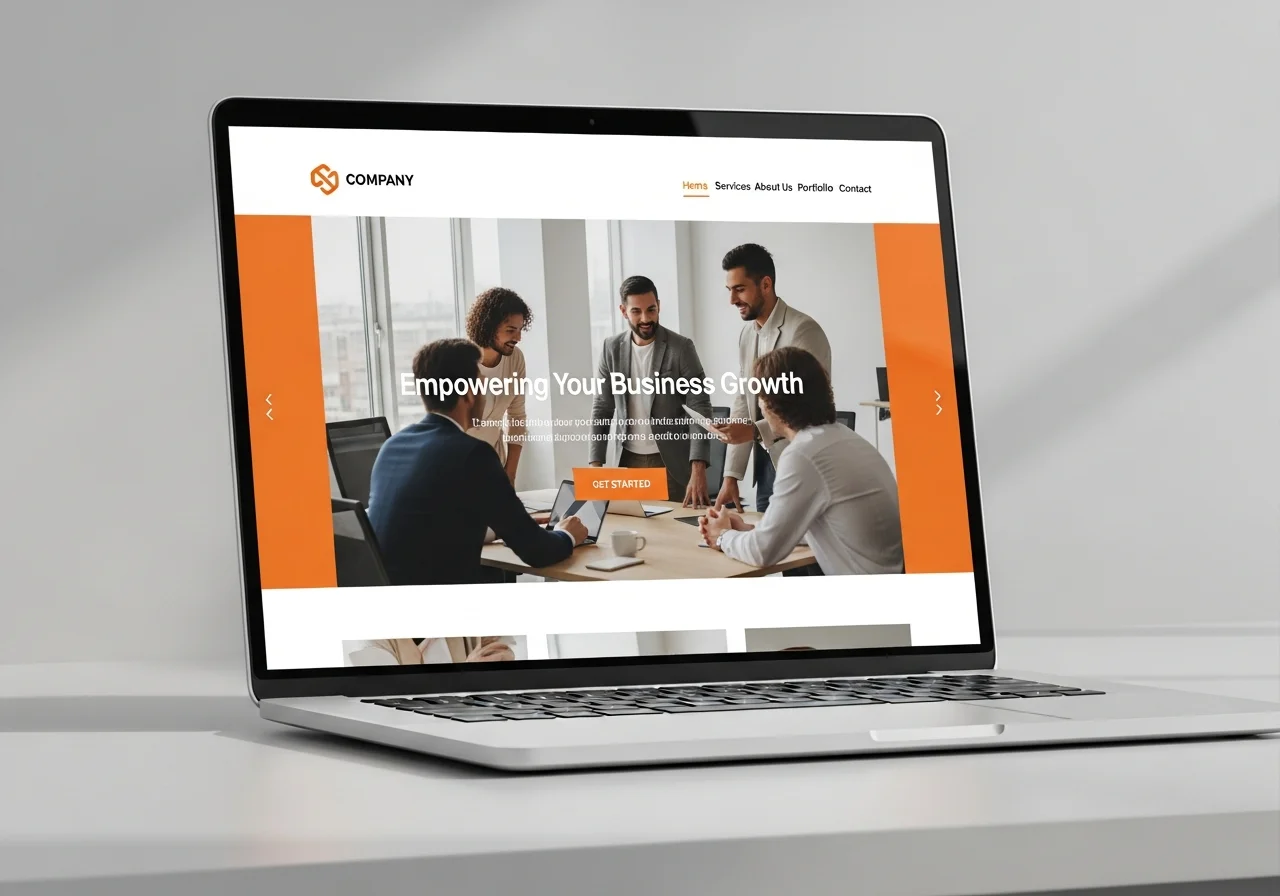
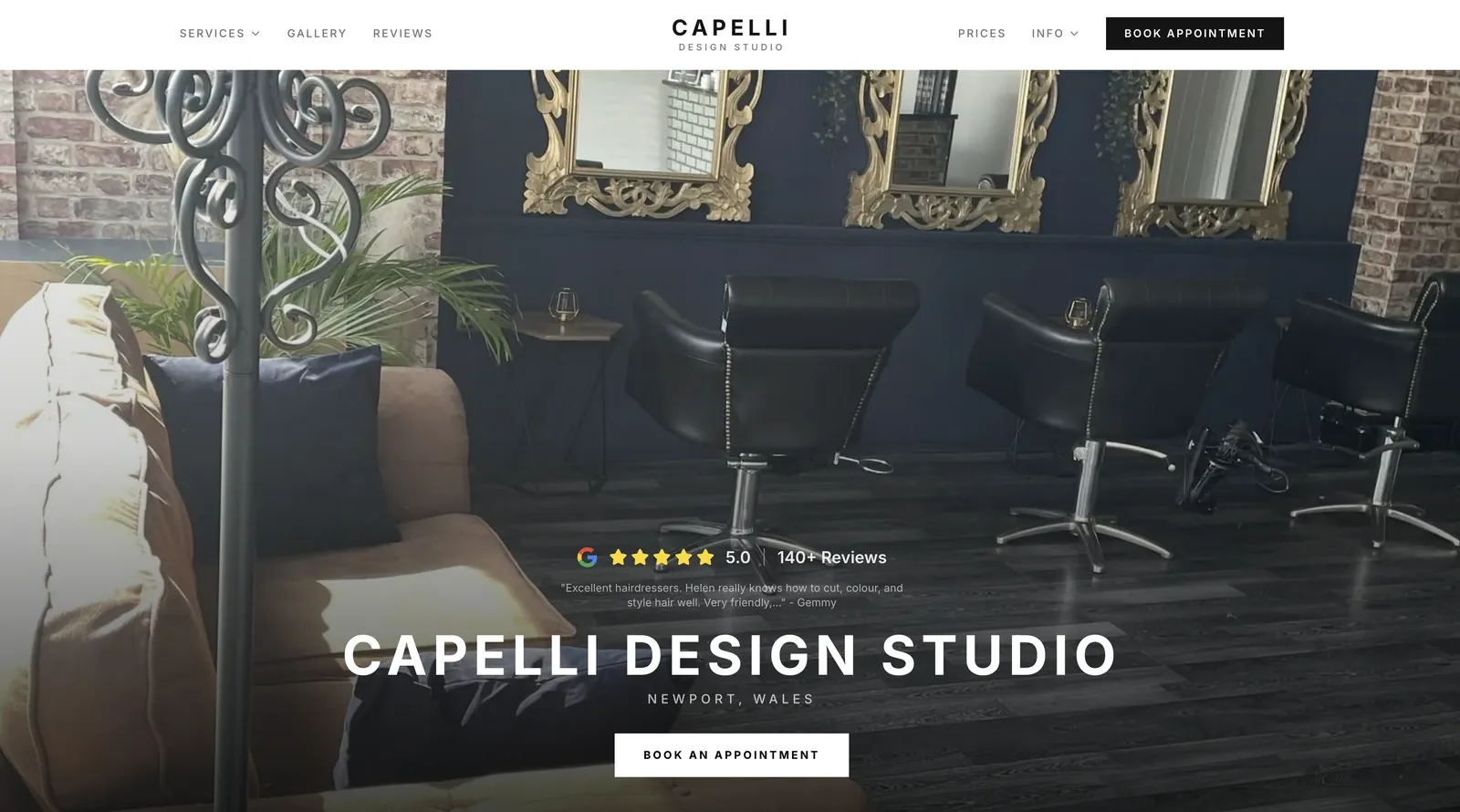
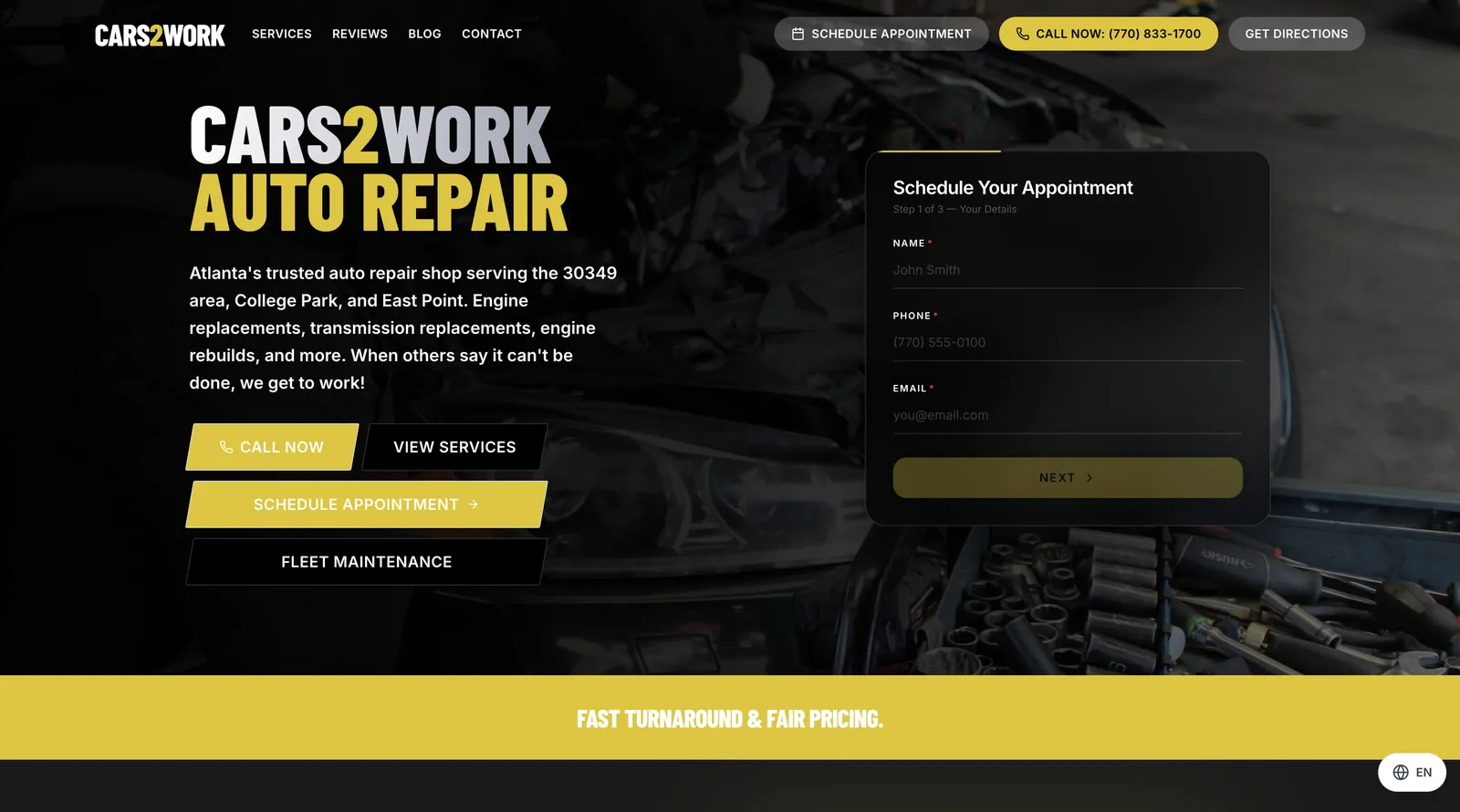
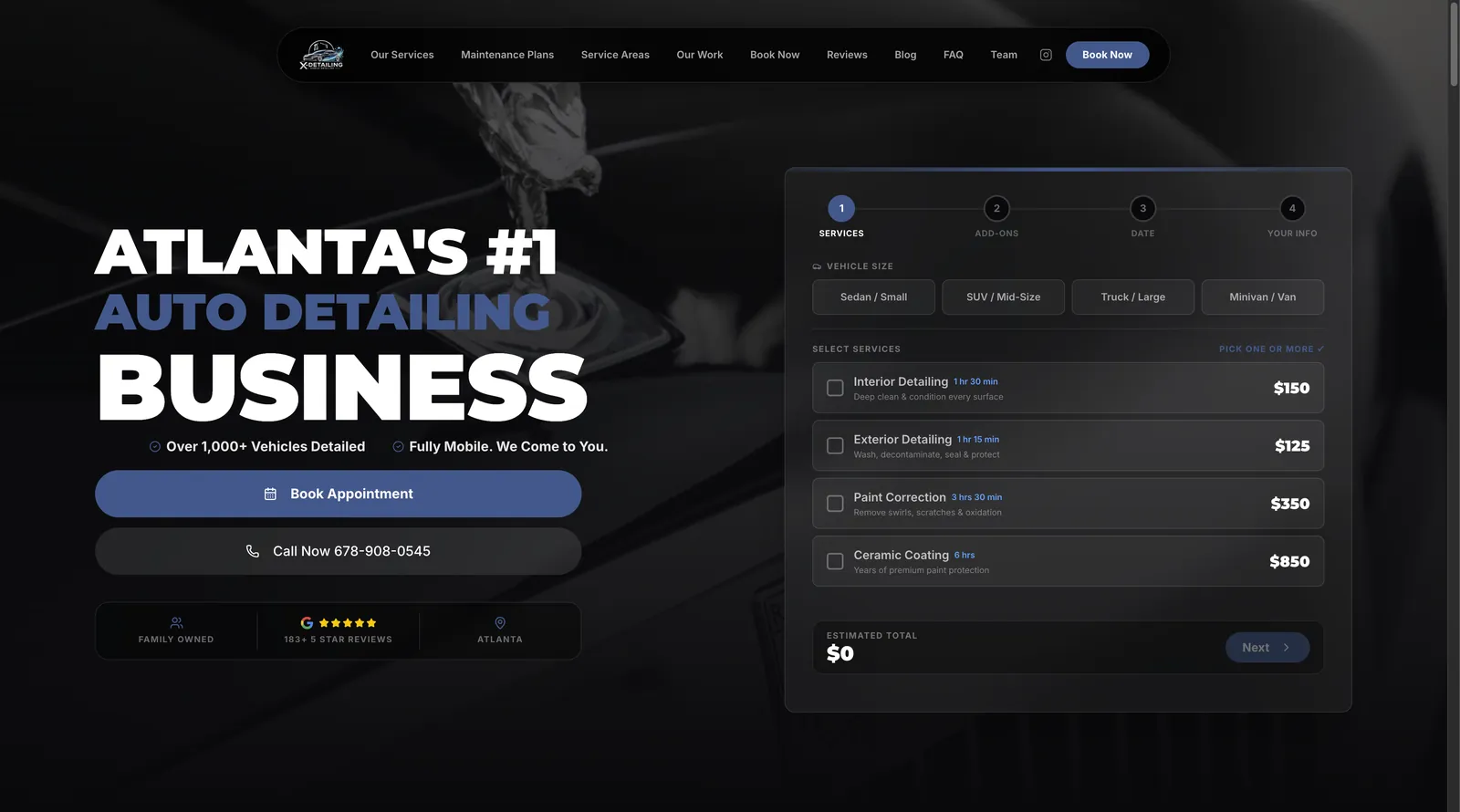
Web design is more than choosing colours or placing a contact button. It is the process of shaping information so the right person can recognise themselves, understand the offer, assess whether you are a credible fit and choose a next step. For service businesses, that often means explaining a service clearly, answering practical questions and making contact simple without forcing visitors through unnecessary steps.
Discovery and direction
We start by listening. We discuss your services, ideal customers, locations, existing materials, commercial priorities and the questions people ask before they enquire. We also review the current site where there is one, looking for useful content to retain and confusing journeys to improve.
The result is a shared brief rather than a collection of assumptions. It helps us decide which pages matter, what each page needs to achieve and which action should be most prominent.
Information architecture
Information architecture is the map beneath the design. We group services in language customers understand, create navigation that does not make people hunt, and use internal links to connect related decisions. A clear structure supports visitors, editors and search engines alike.
We plan page hierarchy before visual polish so key pages do not become buried in menus. The aim is a calm, logical route from a search result or recommendation to the information and contact method a visitor needs.
Mobile UX and accessibility
Many visits begin on a phone, often between other tasks. We design mobile layouts deliberately: readable type, comfortable spacing, clear navigation, visible calls to action and forms that are not frustrating to complete. Desktop is then considered as its own experience, not simply a stretched mobile page.
Accessibility is part of quality. We use meaningful headings, sufficient colour contrast, keyboard-friendly controls, descriptive text alternatives where appropriate and clear labels. These choices make a website more usable for more people.
Conversion paths that feel natural
“Conversion” need not mean pressure. It means helping a visitor take a useful next step: call, request a quote, view a service, check an area covered or send a project enquiry. We choose calls to action that match the decision a person can reasonably make on that page.
Trust is built through clear service explanations, straightforward contact details, honest process information and content that anticipates hesitation. We avoid claiming outcomes a page cannot guarantee.
Copy and content
Strong design gives strong content room to work. We help organise the message around customer needs: what you do, who it is for, where you work, what happens next and how to get in touch. Plain language usually performs better than vague marketing language because it is easier to scan and verify.
Photography, service details, FAQs and case-study material are planned with the page purpose in mind. You remain involved in accuracy, tone and approvals, because nobody knows your business better than you do.
Performance and technical foundations
We build with practical performance in mind, using appropriately prepared media and avoiding needless page weight where possible. We also set up sensible technical basics such as descriptive titles, structured headings, clean URLs, internal links and indexable pages where agreed.
These are SEO-ready foundations, not ongoing SEO and not a ranking guarantee. Search visibility is affected by competition, content, authority, local signals, search changes and continued work after launch. If SEO is a priority, it should be planned as an ongoing discipline.
Ownership and maintenance
At completion, we provide the agreed site files and commissioned assets so you have a clear record of what has been built. Keep your domain, hosting and important third-party services in accounts you control; this makes future decisions simpler.
Websites need attention after launch: services change, links age, software may require updates and content benefits from review. We can discuss maintenance support based on the platform and responsibilities agreed for your project.
Testing, launch and beyond
Before launch, we review the agreed pages, links, forms, responsive layouts, basic accessibility considerations and essential metadata. You have the opportunity to check content and approve the website before it is published. We then connect the agreed domain and launch plan.
After launch, we recommend checking that enquiries are arriving as expected and reviewing the site against business changes. A website is a useful business asset when it is kept accurate, easy to use and aligned with how customers actually decide.